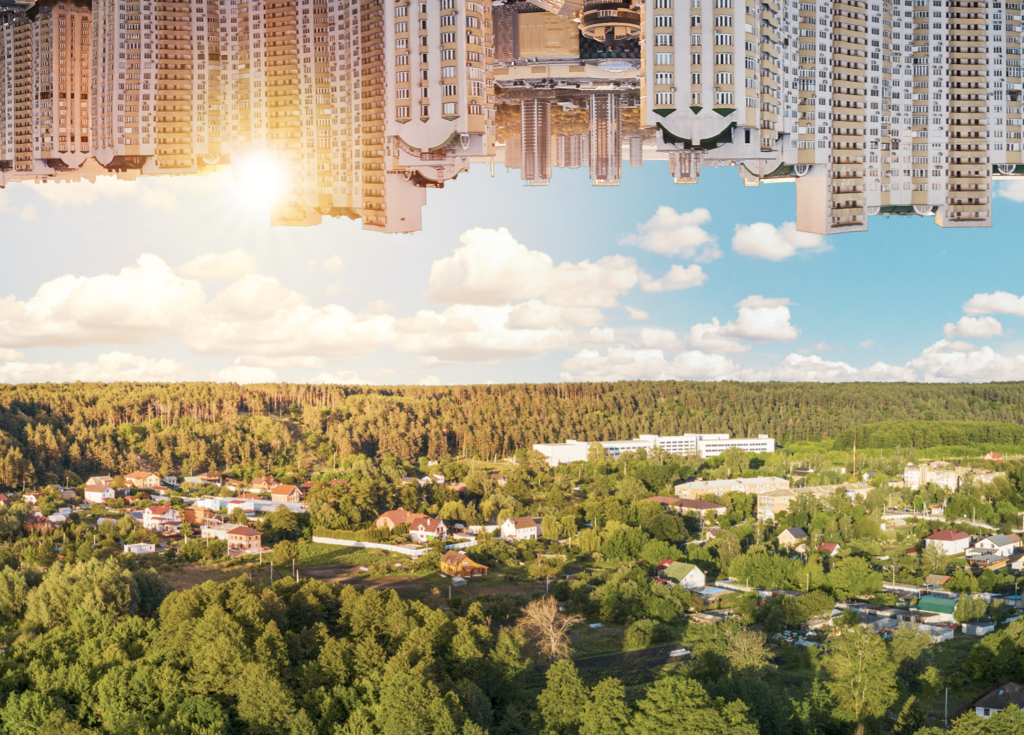
Second Place draws on a variety of frameworks, methods and mindsets to shape its approach, including the ones described below. These are all commonly used across disciplines in business or research, and applied in various industries, sectors and public institutions. Moreover, they have a similar objective; to try to make sense of the world and how each of us shape change within it.

Geopolitics traditionally examines how power, geography, and national interests shape international relations. Geoeconomics adds the economic dimension—trade, infrastructure, finance, energy systems, and technology—showing how states and non-state actors use economic tools to pursue strategic goals. Together, they reveal how global influence is negotiated through both physical territory and economic architecture. For Second Place, these lenses help reinterpret global competition and cooperation through emerging forces—renewables, demographics, climate, culture, and networks—rather than only military or territorial power.
Systems and complexity thinking views the world as an interconnected set of relationships rather than isolated parts. It focuses on how patterns emerge from interactions—often nonlinear, unpredictable, and shaped by feedback loops. Instead of searching for single causes or linear paths of change, this approach pays attention to how diverse actors, institutions, technologies, and environments influence one another over time. It highlights how small shifts can produce large, unexpected outcomes and how interventions in one part of a system can ripple through others. For Second Place, systems and complexity provide a way to see global challenges not as fixed problems to solve but as evolving conditions to.
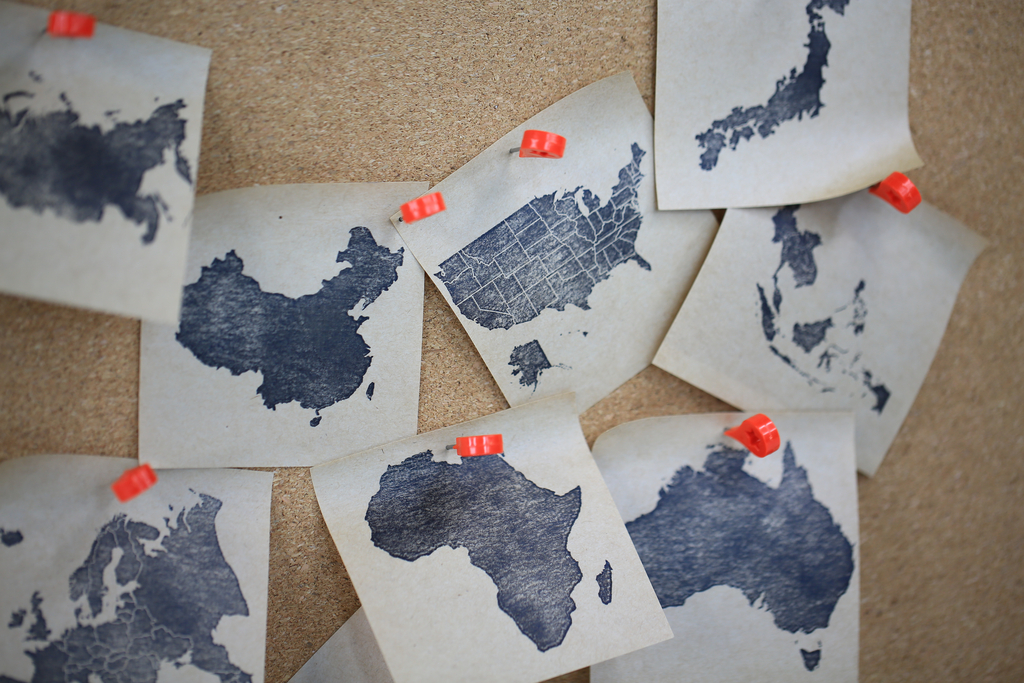

Network thinking explores the connections and flows between people, organizations, places, and ideas. It examines how influence spreads, opportunities are shaped, and where vulnerabilities or leverage points may exist. Tipping point theory complements this by identifying moments when gradual changes accumulate until the system flips into a new state. Together, they help explain how grassroots movements, technological shifts, demographic changes, or policy interventions can rapidly reshape global realities. For Second Place, networks and tipping points illuminate how overlooked actors – especially middle and small powers, local communities, and emerging coalitions – can create outsized impact.
Foresight and scenario development help consider multiple possible futures rather than trying to predict one. Through tools and methods, foresight reveals emerging signals of change and explores how different trajectories might unfold. It encourages long-term thinking, resilience, and a more flexible mindset. For Second Place, foresight is a tool for imagining alternative global orders and identifying openings for constructive intervention before crises or shifts fully materialize.